Attic insulation
The cheapest measure and the one the grant covers most of. What 300mm actually means, and what happens to your storage.
SEAI grants · County Cork
SEAI pays a fixed insulation grant set by your home’s type, not by what the job costs. A semi-detached Cork house can claim €6,000 for external wall insulation and €1,500 for attic insulation. The home must have been built and occupied before 31 December 2010 and have its own MPRN.
Pick your house type to see every wall and attic grant it qualifies for. Then tell us about the job and we'll put it in front of contractors registered with SEAI to work in Cork.
Rules and housing stock differ by council — Cork County or Cork City.
What kind of home is it?
Get quotes for a detached house
Higher rates apply to some households: attic insulation rises to €2,500 and cavity wall to €2,300 for a detached house where you are on a qualifying welfare payment. First-time buyers get the higher attic rate too, on a home bought since 1 January 2025.
Get quotes for a semi-detached or end of terrace
Higher rates apply to some households: attic insulation rises to €1,900 and cavity wall to €1,700 for a semi-detached or end of terrace where you are on a qualifying welfare payment. First-time buyers get the higher attic rate too, on a home bought since 1 January 2025.
Get quotes for a mid-terrace house
Higher rates apply to some households: attic insulation rises to €1,800 and cavity wall to €1,100 for a mid-terrace house where you are on a qualifying welfare payment. First-time buyers get the higher attic rate too, on a home bought since 1 January 2025.
Higher rates apply to some households: attic insulation rises to €1,400 and cavity wall to €900 for a apartment where you are on a qualifying welfare payment. First-time buyers get the higher attic rate too, on a home bought since 1 January 2025.
SEAI grant amounts, read from seai.ie and checked on 15 August 2026. Grants change — confirm yours with SEAI before you commit to work.
€8,000 Biggest wall grant, on a detached home
18.8% of Cork County homes were built before 1945
2 councils decide planning in County Cork, and they differ
2010 Built and occupied before this to qualify at all
Grant rates read from seai.ie and checked 15 August 2026. Housing figures from CSO Census 2022, table SAP2022T6T2CTY.
What we can get quoted
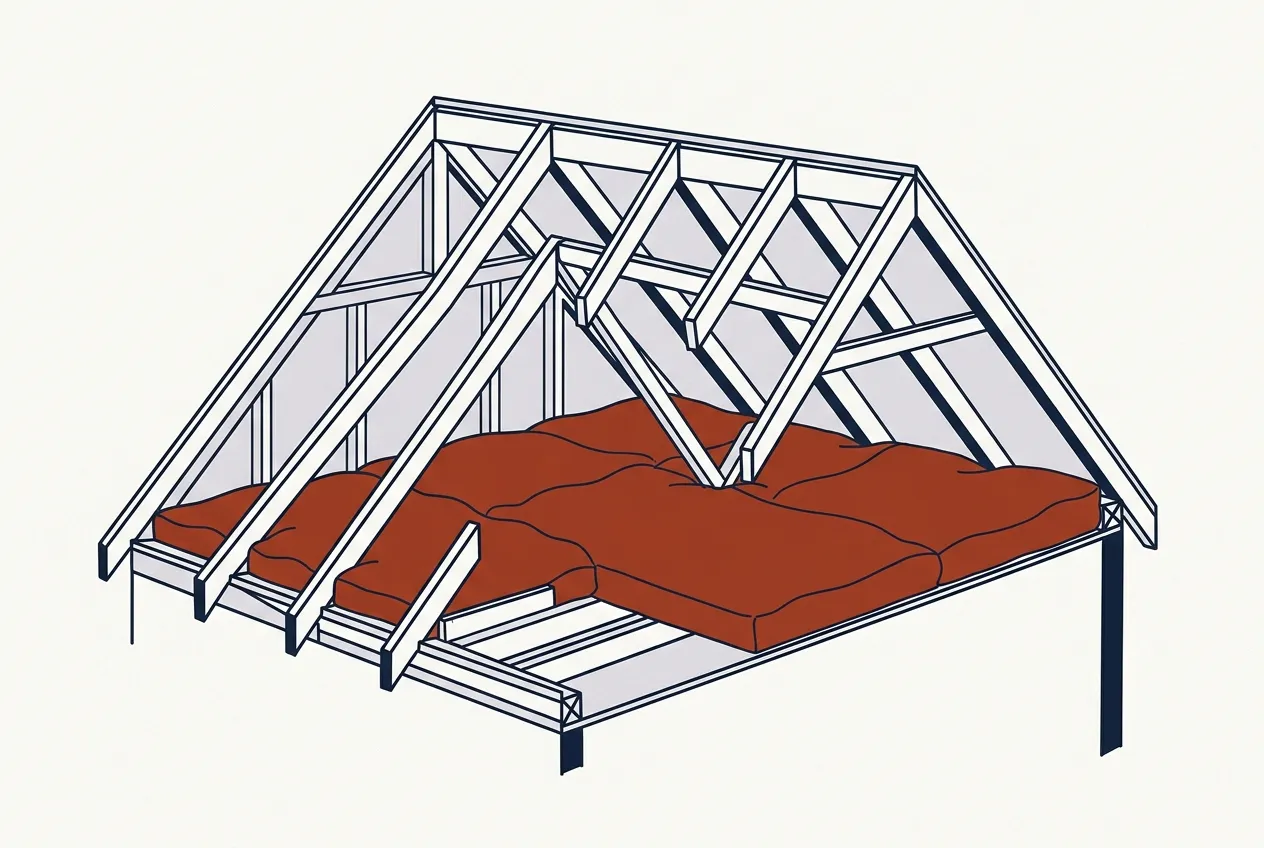 Attic insulation up to €2,000 The cheapest measure and usually the first one worth doing. A day’s work in most houses, and the one where the grant covers the largest share of the cost. Read more →
 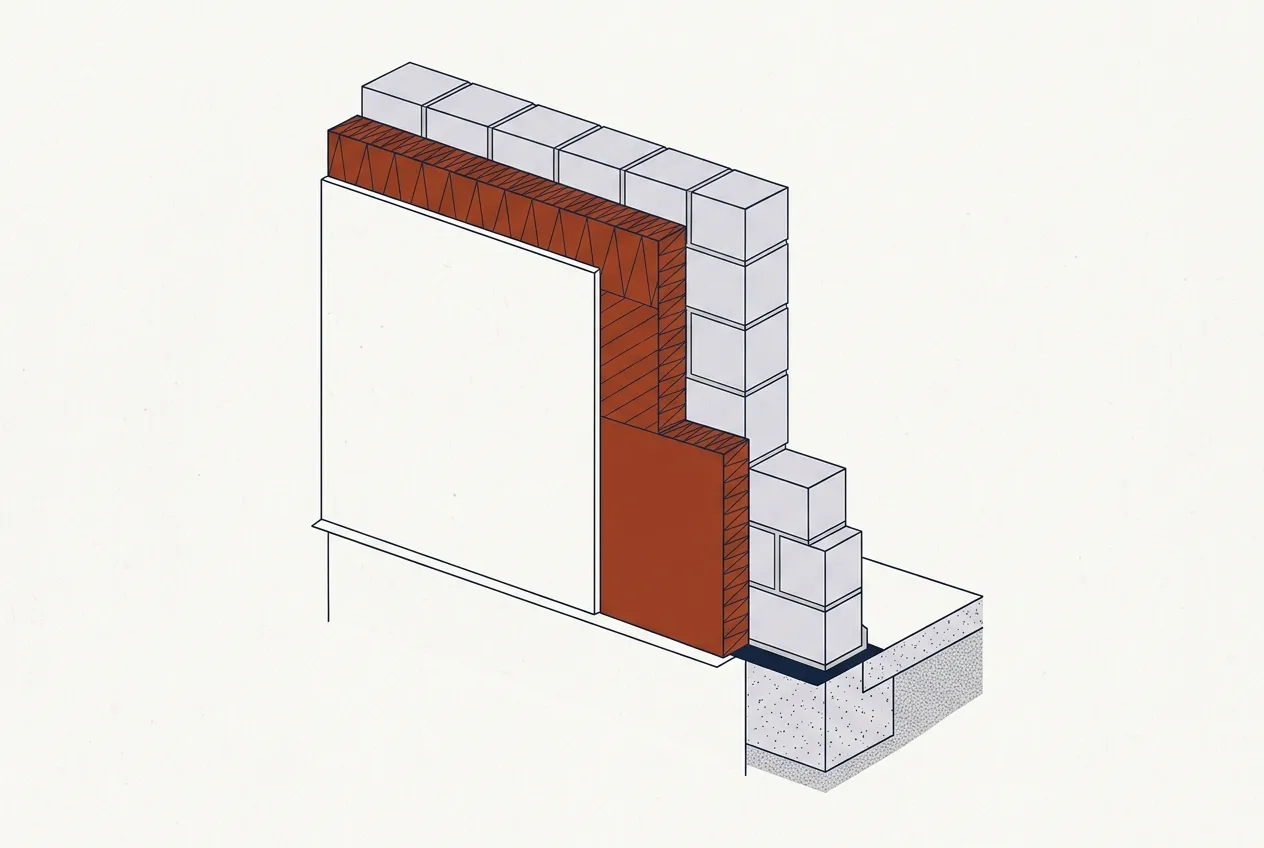 External wall insulation up to €8,000 Wrapping the outside of a solid-walled house. The biggest grant on the list, and the one measure where planning permission can be a real question. Read more →
 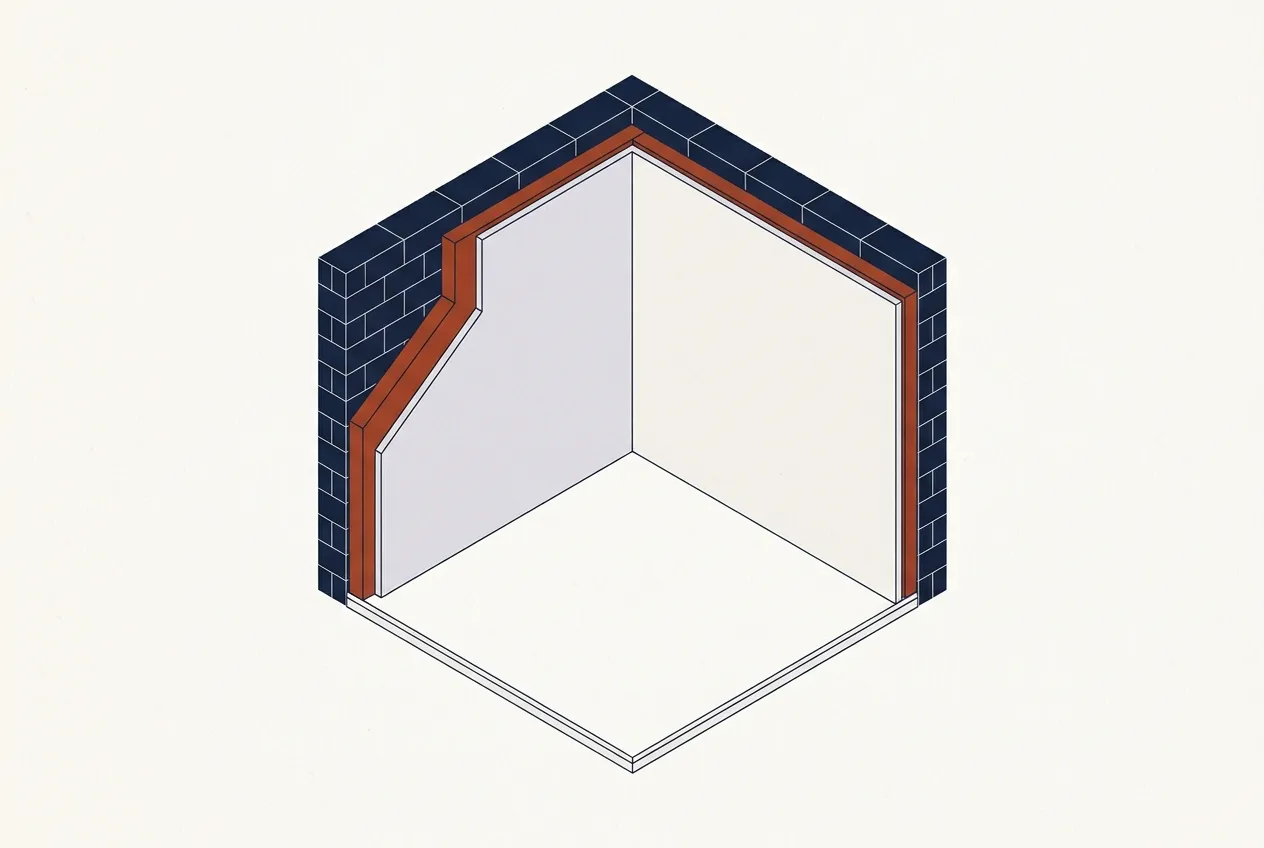 Internal wall insulation up to €4,500 Dry lining the inside instead, where the outside of the building cannot change. Takes 60 to 100mm off the inside of every external wall. Read more →
 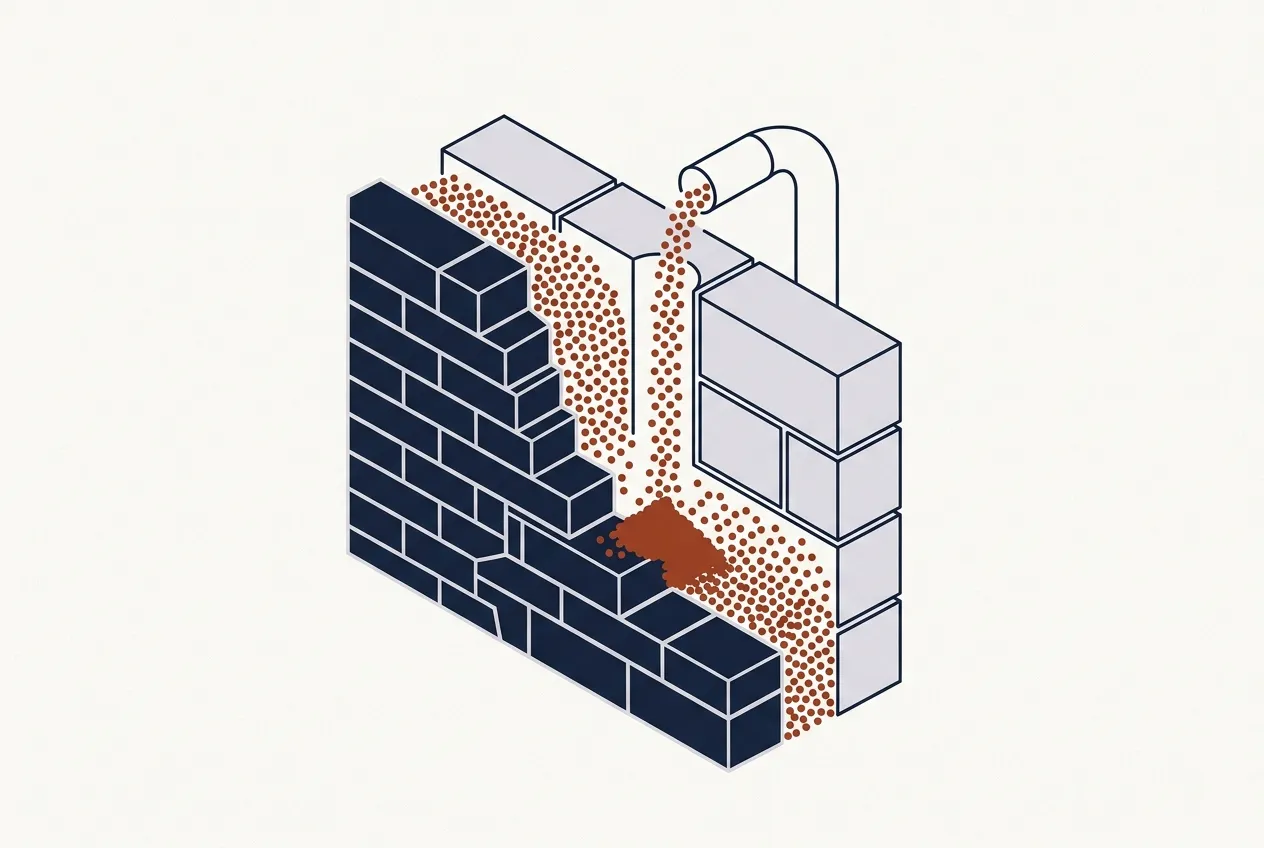 Cavity wall insulation up to €1,800 Pumped into the gap between two leaves of brick or block. Quick and cheap where there is a cavity — and worth checking whether an old fill has failed. Read more →
 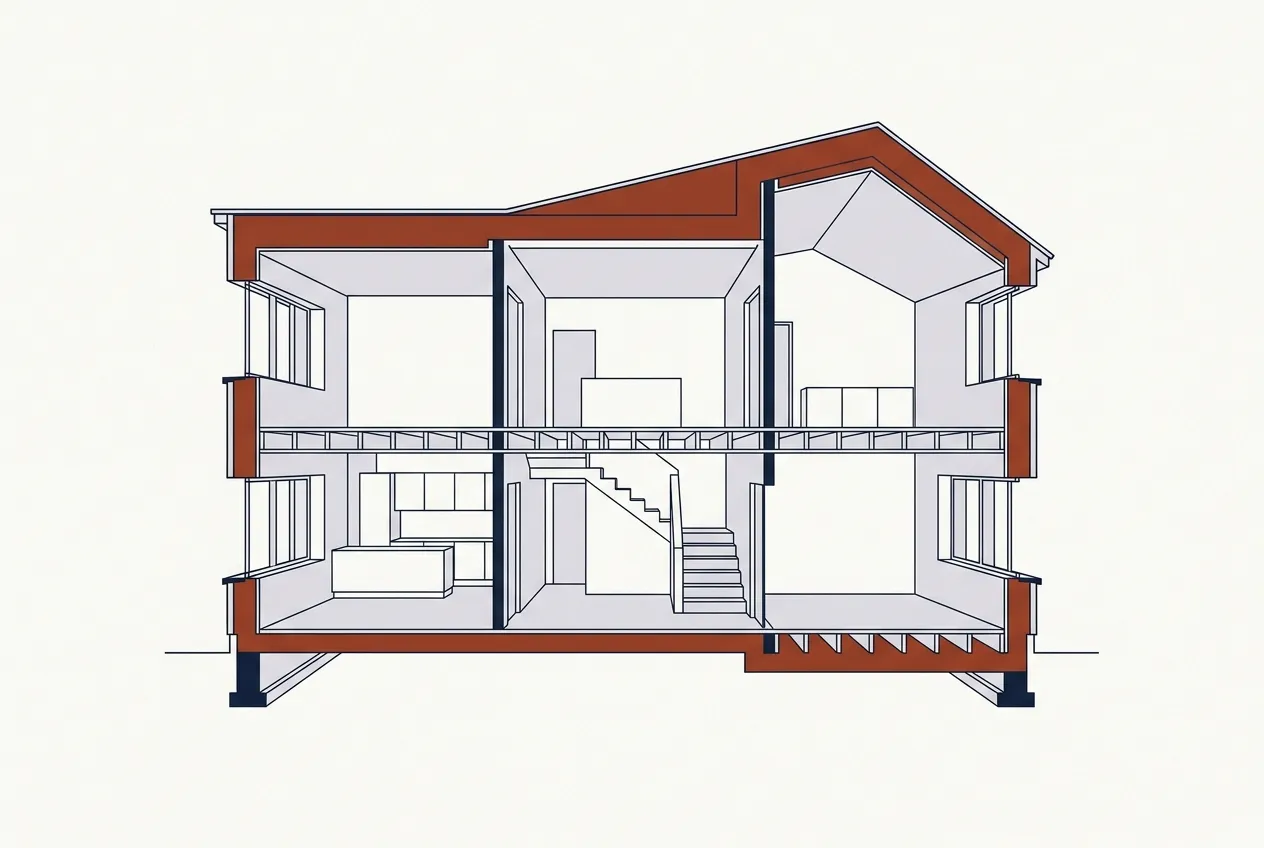 A full home upgrade One contractor manages the whole job and the grant comes off your price up front, rather than arriving as a refund months later. Read more →
 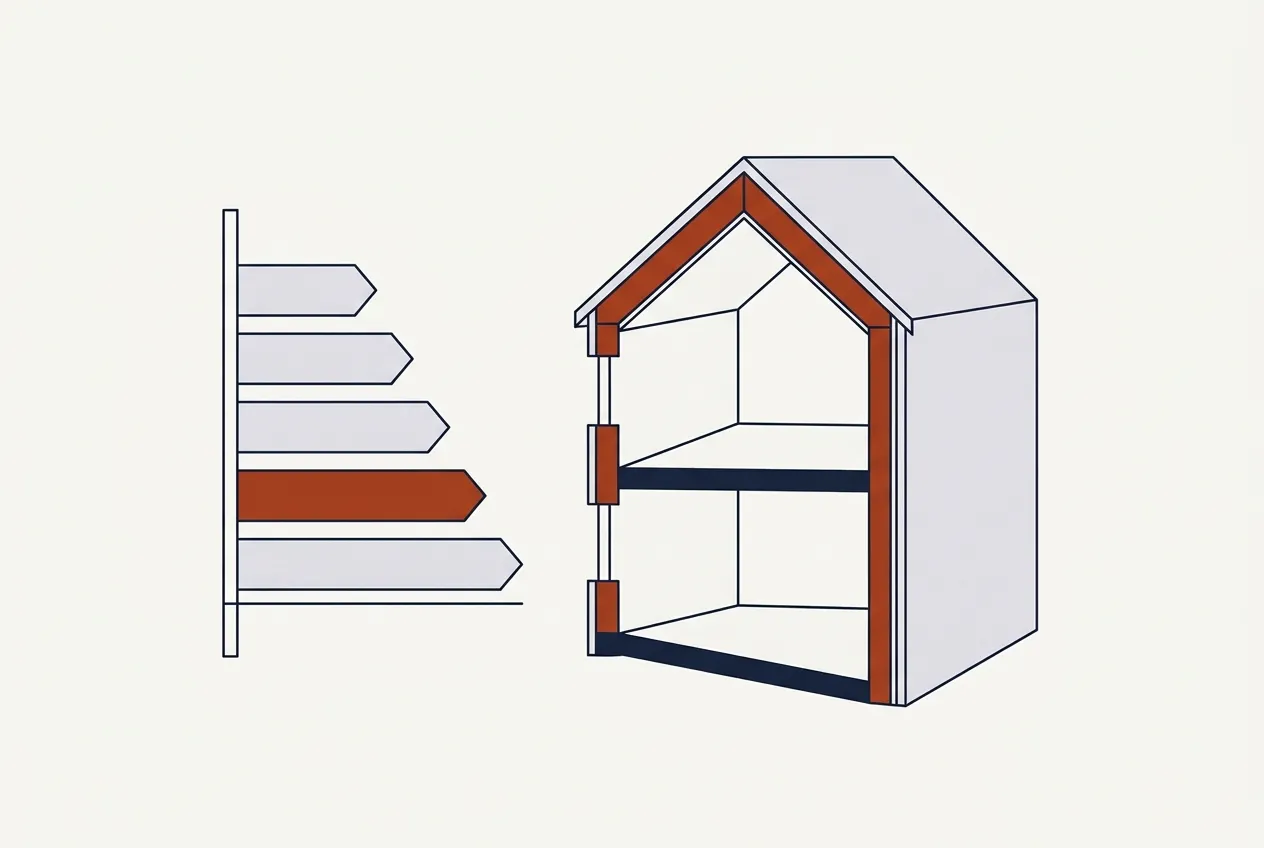 BER assessment What the rating actually measures, when you need one, and why a post-works BER is the thing that releases the grant on the self-managed route. Read more →
 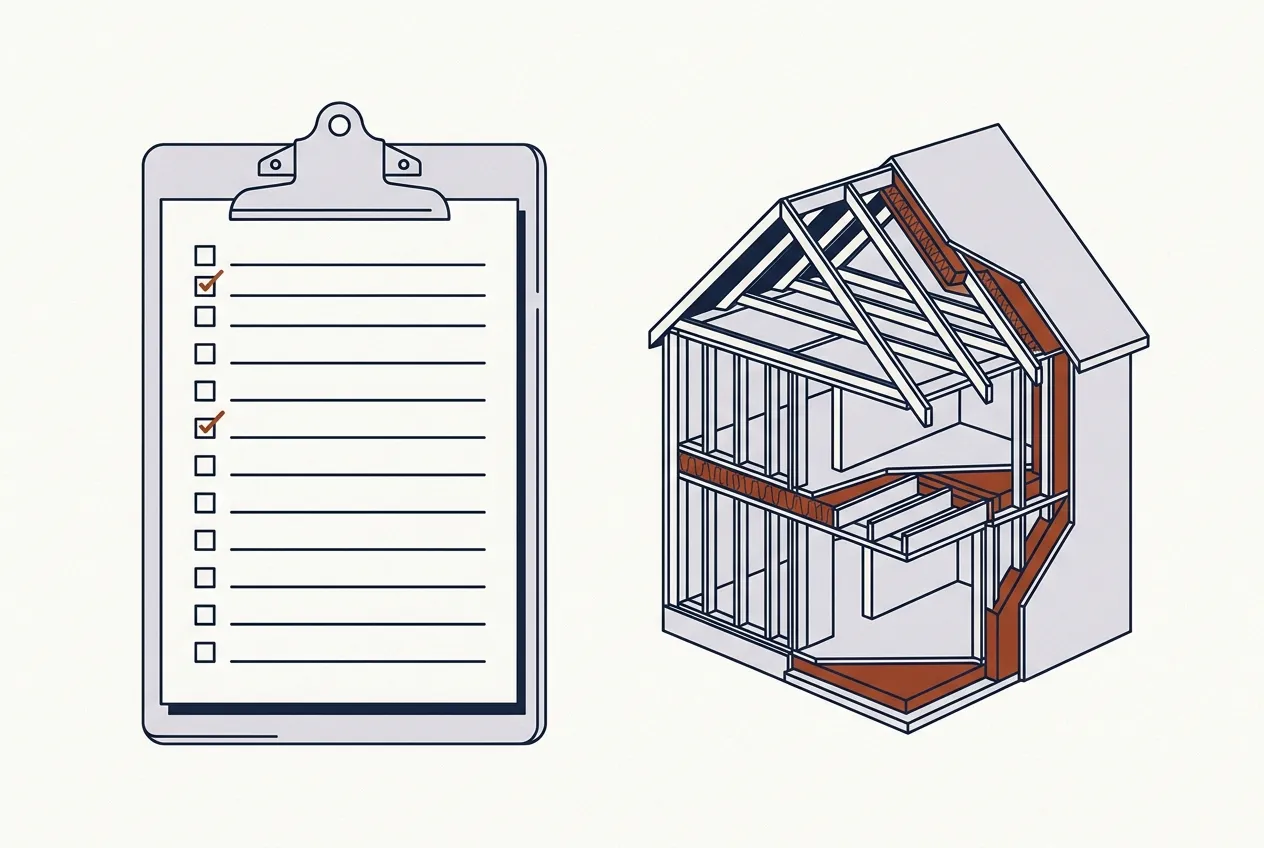 Finding a contractor What SEAI registration does and does not cover, how to check the register yourself, and what to ask before anybody starts. Read more →
 How it works
A contractor pays us a fee on work they win through an introduction from here. That is the whole model: we only get paid if a job actually goes ahead, and never by you.
We are not a contractor and we do not quote for work. Your contract is with the firm that does the job.
House type, rough age, what you're trying to fix. Two minutes — and the house type is what sets your grant.
Only SEAI-registered firms can claim these grants, so we check the register and approach the ones working in your part of County Cork. What registration covers.
You deal with the contractor directly. Say no to all of them if you like — there is nothing to cancel and nothing to pay us.
Three routes
Three routes to the same grants, and which one you're on is the biggest decision you'll make before picking a contractor.
The grant routes compared — which suits your house, what a One Stop Shop actually takes on, and how to tell whether Warmer Homes applies to you.
| You manage it | A One Stop Shop manages it | Free upgrades | |
|---|---|---|---|
| Who applies | You apply to SEAI and wait for the offer | They apply on your behalf | You cannot apply for a measure — eligibility decides |
| Who picks the contractor | You do, from the SEAI register | They do | SEAI assigns one |
| What you pay | The full price | The balance, after the grant | Nothing |
| When the grant moves | Refunded to you after the work and a post-works BER | Deducted up front, so you never handle it | The measures are funded outright |
| Scope | One measure at a time | The whole house, aiming at a minimum BER B | Whatever the SEAI surveyor specifies |
| The trade-off | Most control, most paperwork | Least work for you — a programme, not a wall | Free, but you do not choose |
Both routes are described on SEAI’s wall insulation page. Checked 15 August 2026.
Cork housing stock
Before you can choose a wall measure you need to know what your walls are made of, and in Cork that's mostly a question about when the house went up.
Solid walls and cavity walls take completely different measures, and the rough dividing line runs through the 1940s. That single fact decides which of these pages is the one you need.
On a solid-walled house the choice is between wrapping the outside and dry lining the inside, and they are very different jobs to live through. One changes how the house looks. The other takes 60 to 100mm off the inside of every external wall.
Which is where planning comes in, and it lands unevenly. County Cork has 107 conservation areas across its two councils, and they sit over exactly the older, solid-walled housing that most needs external insulation and is most likely to be constrained from getting it on the front. That question is worked through on the external wall insulation page.
One detail specific to external wall insulation. The wrap adds thickness, so cables and the meter box on the outside wall sometimes have to move. That's an ESB Networks service alteration, arranged separately from the insulation. Ask about it before the quotes come in rather than after.
Not sure? A contractor can tell from a borescope through one drilled hole.
Solid wall
Pre-1945 stock, mostly
Nothing to inject.
Cavity filled
Cheapest measure by far
Blown into the gap.
External insulation
Rooms keep their size
Wrapped, then rendered.
Internal dry lining
Rooms lose 60–100mm
Boarded inside.
Where to start
The grant is a fixed amount set by your house type, not a share of the quote, and that produces a gap most people don't expect. Set SEAI's own median costs against its own grants and the attic grant covers 64 to 74 per cent of the job. External wall insulation covers 25 to 30 per cent. Same scheme, wildly different value.
Cavity fill scores higher still on that measure, as the chart shows, but only where you have a cavity and nobody has filled it yet. The attic is the one almost every house can do, which is why SEAI singles it out as the most cost-effective upgrade a home can make.
So the usual order is attic first, then walls. There's a second reason for that order. Work altering more than a quarter of the home's surface area — which a full external wall job does — requires the house to reach a B2 BER or already have a heating system and attic insulation meeting the regulation standard. Doing the attic first is often what makes the wall job compliant.
Which wall measure comes next depends on what your walls are made of, and that's a question about the age of the house more than anything else. External wall insulation suits solid-walled houses with no cavity to fill. Cavity fill suits the suburban semi-ds where the cavity is still empty. And if the cavity is already filled and causing trouble, it has to come out first — that job has its own page.
Everything on this site
The attic, because it is the cheapest job and the grant covers most of it. Then walls, once you know which kind you have.
The cheapest measure and the one the grant covers most of. What 300mm actually means, and what happens to your storage.
The wrap. Biggest grant, biggest bill, and the one measure where planning permission is a real question in Cork.
Dry lining. What you do when the outside of the house cannot be altered, and what it costs you in room width.
When old fill has slumped or wet and has to come out, and the second wall grant waiting on the other side of it.
One Stop Shop, manage it yourself, or the free Warmer Homes scheme. Which one you are on changes almost everything.
What one costs, the €50 grant nobody mentions, and why every grant needs one after the work rather than before.
What SEAI registration covers, five things to settle before you sign, and how to tell whether a quote is reasonable.
By local authority
Which of the two County Cork authorities you are in decides which development plan applies to your address and which conservation list it gets checked against. The housing differs just as much, which settles the measure before planning is even a question.
Homes built before 1945 run from 18.8% in Cork County to 16.2% in Cork City. That one figure is most of what decides whether you are looking at cavity fill or at the two expensive wall measures.
18.8% of homes built before 1945, 50 conservation areas listed by Cork County Council.
16.2% of homes built before 1945, 57 conservation areas listed by Cork City Council.
No cost, no obligation
Tell us about the house. We pass it to SEAI-registered contractors working in Cork, and they come back to you with quotes. We're not a contractor and we never charge homeowners.
Five questions. Email and the notes box are optional.
8 questions
It depends which route you're on. Manage the job yourself and you apply to SEAI, pay the contractor in full, and SEAI pays the grant to you once the work is done and a post-works BER is completed. Use a One Stop Shop and they apply on your behalf, with the grant deducted from your price up front, so you never handle it.
For insulation measures the home must have been built and occupied before 31 December 2010, and it needs its own MPRN, the meter number on your electricity bill. There's no upper age limit, so most of Cork's housing stock qualifies comfortably.
Not on a grant. SEAI requires what it calls a whole-surface solution, meaning every external wall gets insulated. Doing one or two doesn't qualify, even if only one room is cold.
Cavity and internal insulation don't need planning permission. External wall insulation changes the outside face of the building, so it can need permission where the house is a protected structure or sits in an Architectural Conservation Area. There are 107 of those across County Cork, and each council draws them differently. Check with your local authority before you commit.
Nobody can apply for a specific measure for free. SEAI's Warmer Homes Scheme fully funds certain measures for households meeting its eligibility rules, but an SEAI surveyor decides which measures your home gets and an SEAI contractor installs them. Free upgrades are real; choosing what you get is not part of the deal. Everyone else is on the grant routes above, paying the balance.
Attic insulation, in almost every case. SEAI's published medians put a detached attic job at €2,700 against a €2,000 grant, so you pay about €700. The same house's external wall job runs a median €26,500 against €8,000. It's also the least disruptive and the quickest. Walls cost more and save more; the attic is where the ratio is best.
Nothing. We're a referral service, not a contractor. Contractors pay us a fee on work they win, which is why it costs you nothing and why we only get paid if a job goes ahead.
Sometimes. If you previously got a cavity wall grant you can apply for internal or external wall insulation. If you previously got internal wall insulation you can apply for external only. And if you've already had an external wall grant, that's the end of the road for wall measures.